
Innovative Ways To Cut Utility Costs
Cutting utility costs can boost monthly cash flow in ways that really make a difference for people and families. Every dollar saved keeping the lights on or the house heated means more money that I can put towards an emergency fund, paying off debt, investing for retirement, or building up long-term wealth. Small changes add up and help me feel more in control of my finances, and help me Create A Monthly Budget That Actually Works.
Understanding What’s on My Utility Bills
Before tackling utility costs, I like to get familiar with how bills are calculated. Utilities such as electricity, gas, water, and trash often have a fixed portion, which I pay regardless of usage, and a variable portion that rises or falls depending on how much I actually use. Fixed charges usually cover things like meter maintenance or grid access; variable charges reflect my habits, like turning off lights, adjusting the thermostat, or saving water. By looking over my past bills, I can see which charges I have some control over. Sometimes bills offer detailed breakdowns or online dashboards, and reviewing them closely helps me spot patterns to target for savings as shown in my article on using the 50/30/20 rule of budgeting.
Finding Savings Opportunities: Home Energy Audits
One of the fastest ways to spot problems is to get a home energy audit. This process checks where a home is losing energy and recommends fixes. Almost all utility companies offer low-cost or free audits, sending a professional who inspects insulation, air leaks, appliances, and lighting. I have also used do-it-yourself audit checklists from sites like the U.S. Department of Energy for simple improvements. Identifying the problem areas in your home is the first step toward meaningful savings. It’s a smart move, because even small leaks or outdated appliances can cause monthly bills to jump.
A few years ago, the apartment complex I live in decided to upgrade the apartments to more energy and water efficient options. The contractors came in and replaced the shower head to an water-efficiency showerhead, all the lightbulbs to LED, and installed a smart thermostat.
The result was a reduction of more than $10 per month in my overall utility expense (or $120/year). That’s big savings when projected over 10 years (possibly invested at 7%-10% returns!-This is the equity market historical average, but future performance is not guaranteed).
Together, these upgrades demonstrate how several small improvements can lower utility costs.
Upgrading Lighting: Switching to LEDs
Incandescent light bulbs are inefficient and costly. I continued what the apartment complex was doing by changing the old bulbs in my lamps to ENERGY STAR certified LEDs and noticed a drop in my monthly bill. LEDs use up to 80% less energy and last years longer. I prioritize main living spaces, exterior lighting, and high-use areas. Utility companies sometimes offer rebates or even free bulbs if I check their efficiency programs. Swapping out every last bulb can seem like a chore, but the savings are worth it.
Smarter Heating and Cooling: Using Smart Thermostats
Heating and cooling account for a large part of my energy use. A smart thermostat learns my schedule and makes automatic adjustments, like turning down the heat or AC when I’m at work or asleep. I’ve found these devices easy to manage from my phone, and local rebates often help with the cost. According to the ENERGY STAR program, smart thermostats can save around 8% on heating and cooling annually. Even a simple programmable model can provide real savings with just a little effort setting up schedules.
Getting the Most from My HVAC System
Regular HVAC maintenance helps keep my system running efficiently. Basic steps I follow include replacing air filters every few months, cleaning vents, and getting the unit checked each year. This keeps utility use lower and prevents early equipment breakdowns. Many smart thermostats even remind me when it’s time for filter changes or maintenance calls, so I don’t skip these crucial tasks.
Stopping Air Leaks and Improving Insulation
I used caulk and weatherstripping to seal gaps around windows, doors, and ducts, forcing out drafts that drive up heating and cooling bills. After sealing, I checked my attic and basement insulation. Improving insulation, especially in older homes, keeps heated or cooled air inside where it belongs. Good insulation is one home improvement with quick payback; details I found helpful are included in many audit reports and government resources. You don’t have to do it all at once, but even tackling insulation a room at a time will bring you closer to lower bills.
Back when I actually owned a home, there was absolutely no insulation in the walls, crawlspace, or attic. The air conditioning during the summer was in the $180s/month. In the winter however (gas pack heating) it was nearly $500/month. For an idea of temp settings, I started with keeping my house at 70 degrees year-round. I quickly changed the thermostat to 67-68 degrees during the winter, which dropped my heating bill to the mid $200s/month.
Thus the need for solid insulation in the house.
Saving Water and Lowering Hot Water Costs
Water bills can be reduced with simple changes. Installing EPA WaterSense showerheads, faucets, and toilet kits brought my usage down. For hot water, I lowered the heater thermostat to 120°F, washed laundry in cold water, and insulated hot water pipes. Shorter shower times and repairing leaks had a bigger effect than I expected, especially with a family. For more details on why emergency savings are helpful when reducing recurring bills, see Emergency Funds: Why They Matter And How To Build One.
Making Laundry and Kitchen Habits More Efficient
Full laundry loads, line drying when possible, and clearing dryer lint filters are basic changes that don’t require spending money. In the kitchen, I run the dishwasher only when it’s completely full, air dry dishes, use toaster ovens or microwaves instead of the full-sized oven for small meals, and keep refrigerator coils clean for better efficiency. Cooking with lids on pots and not overfilling the fridge are other simple steps that make a difference over time. These little habits really stack up when the bill arrives.
Reducing Phantom Power
Devices plugged in but not being used still consume energy, something called “phantom” or “standby” power. I use smart power strips or just unplug electronics like TVs, chargers, and gaming systems when not in use. ENERGY STAR estimates that household electronics can account for up to 10% of my electricity bill. Making unplugging devices a routine, or using smart strips that cut power automatically, gives a boost to my overall savings.
Choosing ENERGY STAR Appliances
Whenever I need a new appliance, whether it’s a washer, fridge, water heater, or HVAC system, I check for the ENERGY STAR label. These products are tested and certified to use less energy without giving up performance. Even if some models cost more upfront, the ongoing savings have made them a smart choice for my home. Over several years, these appliances can literally pay for themselves in reduced utility bills.
Landscaping, Window Treatments, and Shade
Planting trees or shrubs that shade my home, especially on the west and south sides, helps keep things cooler in summer. I use thermal curtains or reflective shades on sunny windows to keep sunlight from heating up rooms. Exterior awnings and interior blinds provide extra comfort and lower air conditioning needs. Sometimes, even just closing blinds during the hottest part of the day makes a big impact.
Rebates, Efficiency Programs, and Renewable Energy
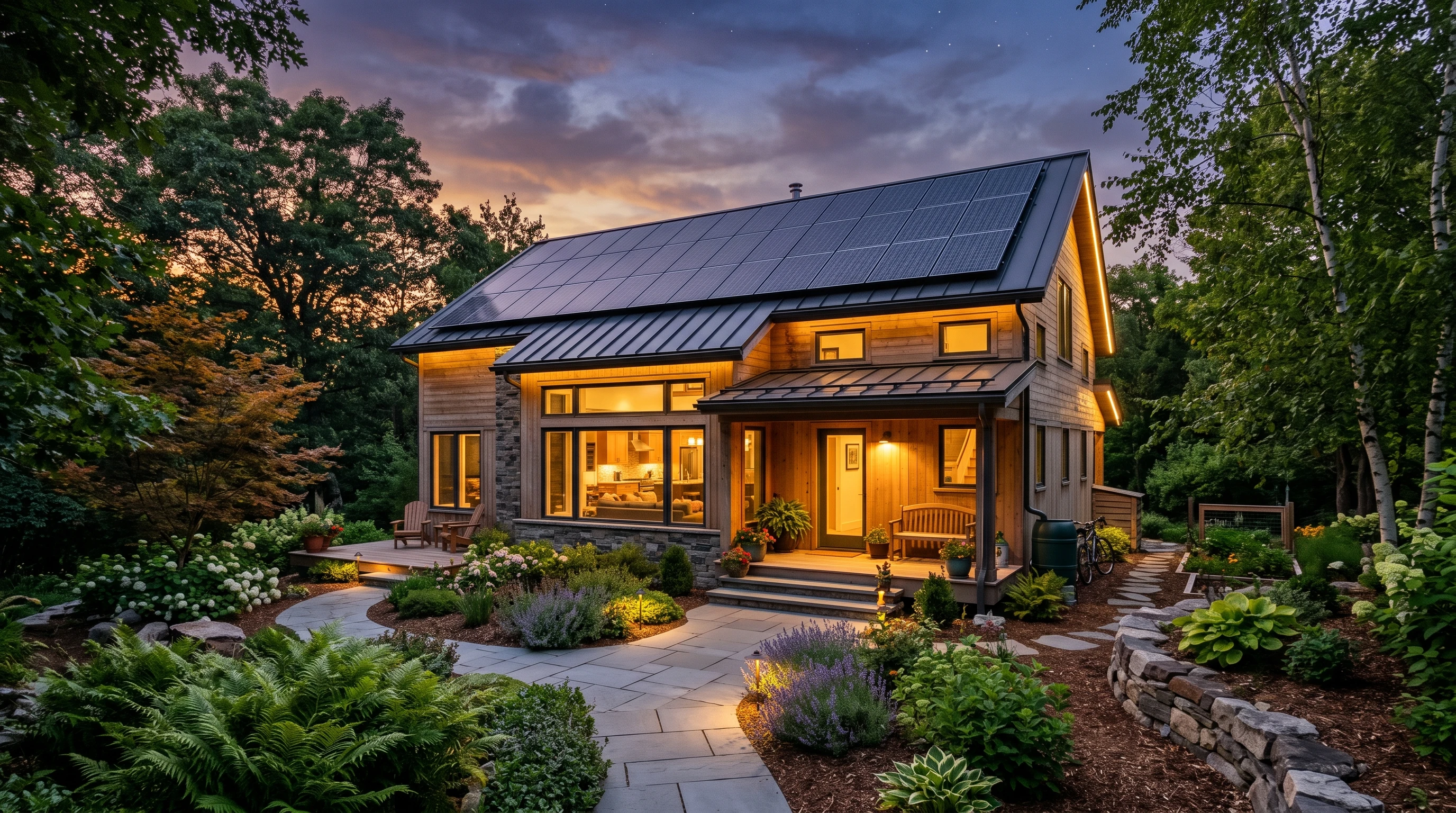
Many utility companies offer rebates for efficient appliances, lighting, insulation, and HVAC upgrades. I’ve checked their online program lists before any purchase. Some utilities have online marketplaces with discounted products, or they may offer free home energy kits. When thinking about solar panels, home batteries, or geothermal heat pumps as future homeowning projects, I research incentives and weigh the upfront costs against potential long-term savings. While solar is appealing for many, it isn’t right for everyone; factors like home location, roof condition, and initial costs matter, as the Department of Energy explains. Renting or financing options for renewables can also smooth the way to big future savings.
Optimizing Internet and Cell Phone Costs
Utility savings don’t stop with gas, electric, and water. I have reviewed my internet and cellphone plans each year to be sure I’m not overpaying. Sometimes, switching plans, negotiating with providers, or bundling services leads to better deals. For help freeing up extra money this way and putting it towards investing, I took some tips from How To Create A Debt Paydown Plan and How Much Do You Really Need To Retire?. It’s surprising how much can be saved from a quick phone call or an online chat with your provider.
Adding Smart Home Automation
Smart plugs, occupancy sensors, and whole-home energy monitors will be a capital improvement for my future home that will let me control power usage easily from my phone or automate routines to avoid waste. These technologies can be as simple as app-controlled lights or as advanced as systems that manage all heating, cooling, and lighting for maximum savings. Even basic motion sensor lights in hallways and bathrooms keep the electric bill from creeping up.
Staying Consistent: My Seasonal Maintenance Checklist
- Replace HVAC filters every 1-3 months
- Service heating and cooling systems annually
- Check attic and basement insulation before extreme weather
- Seal and caulk windows and doors in spring and fall
- Clean refrigerator coils every few months
- Flush water heater to remove sediment yearly
- Test sump pump and smoke detectors twice a year
This type of checklist keeps my utility bills lower and helps avoid costly repairs. Keeping up with these simple tasks is one of the best habits for long-term savings.
Common Mistakes to Watch Out For
- Forgetting to review bills and missing easy fixes
- Skipping maintenance, which leads to bigger expenses later
- Buying expensive upgrades without considering payback period or rebate availability
- Ignoring “phantom” loads from plugged-in devices
- Not checking with the utility for rebates and home energy programs
Looking at upgrade payback periods helps me choose which projects make the most sense for my budget. Good choices provide ongoing savings that build up over time, similar to the way investments grow, as covered in Common Investment Mistakes To Avoid and Importance Of Diversification In Investing.
Frequently Asked Utility Savings Questions
What can I do if I rent my home?
As a renter, I still find plenty of ways to cut utility costs. Plug-in insulation, LED lighting, draft stoppers, and low-flow fixtures are easy to remove when moving out. Speaking to the landlord about upgrades, and sending them rebate or efficiency program offers, sometimes leads to shared solutions.
How often should I revisit my utility-saving plan?
I will be giving my home a “utility checkup” at least twice a year. Like budgeting, a regular review is the easiest way to spot savings opportunities and avoid wasteful habits creeping back in. For more practical budgeting ideas, see How to Create A Budget That Actually Works.
What about investing in big-ticket energy improvements?
Big projects like solar panels, energy-efficient windows, or HVAC overhauls work best when I’ve already taken advantage of easier, low-cost options. Comparing the expected payback period and possible rebates is really important; local utility programs can mix up the numbers a lot.
Reducing my monthly utility bills acts like a permanent income boost through compounding. Over time, every recurring dollar I save can be redirected into emergency funds, debt payoff, retirement savings, or building long-term wealth. Small habits, smart investments, and regular checkups help me stay on track for lasting financial freedom. By keeping an eye out for new savings and making tweaks each year, I can keep my utility costs lower for the long run and put my money to work where it matters most.
What home improvement projects have helped you save money? Drop them in the comments below. I would love to see other ideas and I’m sure they would be a great help to other readers as well.