
How To Live Well On A Low Budget
I know how challenging it can be to make every dollar count while still living a life that feels rewarding. Finding the balance between saving money and enjoying a satisfying lifestyle is not always straightforward, but it can be done. Over the years, I’ve learned through experience and daily decisions that living well on less isn’t about going without, but about tweaking habits and priorities. This is my guide to living well on a low budget, packed with practical steps and straight-forward advice to help you make the most of what you have.
Why Living Well on a Low Budget Matters
Taking control of your money can reduce stress, help you work toward big financial goals, and make life feel more manageable. For many people with limited income, financial worries about bills or unexpected costs are constant. I’ve experienced these worries too and know the toll they take. By figuring out how to stay within your means and still feel good about it, you open the door to more freedom and less anxiety. Plus, it helps you become more creative and grateful for what’s already in your life.
Living well isn’t just about the numbers in your bank account. Your health, happiness, and peace of mind make a difference too. From personal experience, I’ve noticed that when I focus on what truly matters, keep goals small, and simplify where I can, living on less no longer feels like a punishment. If you want to get deeper into the topic, my post on financial wellness basics lays out more useful advice for the road ahead.
How to Make a Realistic Budget for Your Lifestyle
Setting up a budget that matches your life is crucial. I start by noting my net monthly income and carefully tracking all regular expenses like rent, groceries, utilities, and phone bills. This gives me an honest picture of where my funds go and shows areas to trim back.
- Track Every Expense: Writing down all my purchases, from large bills to a simple coffee, helps me spot hidden patterns and keeps overspending in check. I use either a notebook or a free app—whatever is most convenient.
- Identify Needs vs Wants: Essential expenses like rent and groceries are my first priority, while extras such as new clothes or dinners out go into the “wants” category.
- Set Boundaries on Optional Spending: Allowing myself a small, guilt-free budget for treats gives me flexibility and makes sticking with the plan easier over the long term.
With my true costs lined up, I compare the totals against what I bring home each month. If there’s a mismatch, it’s time to adjust. You can find popular budgeting systems like the 50/30/20 rule in my breakdown of personal budget examples.
Essential Strategies for Saving Money Every Day
Daily tweaks add up rapidly, even when they seem minor. Here are the strategies I rely on to stretch my budget further each day:
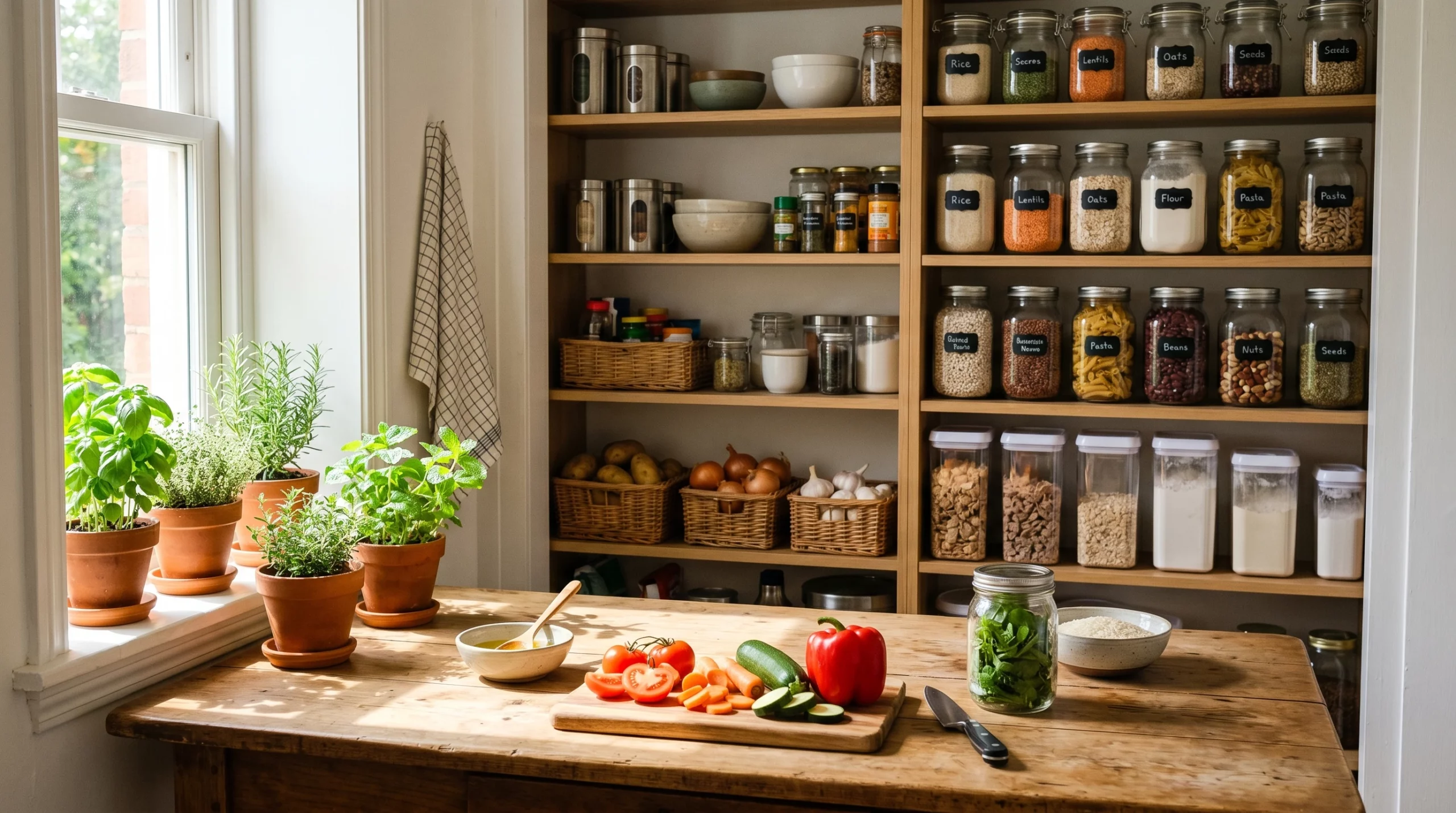
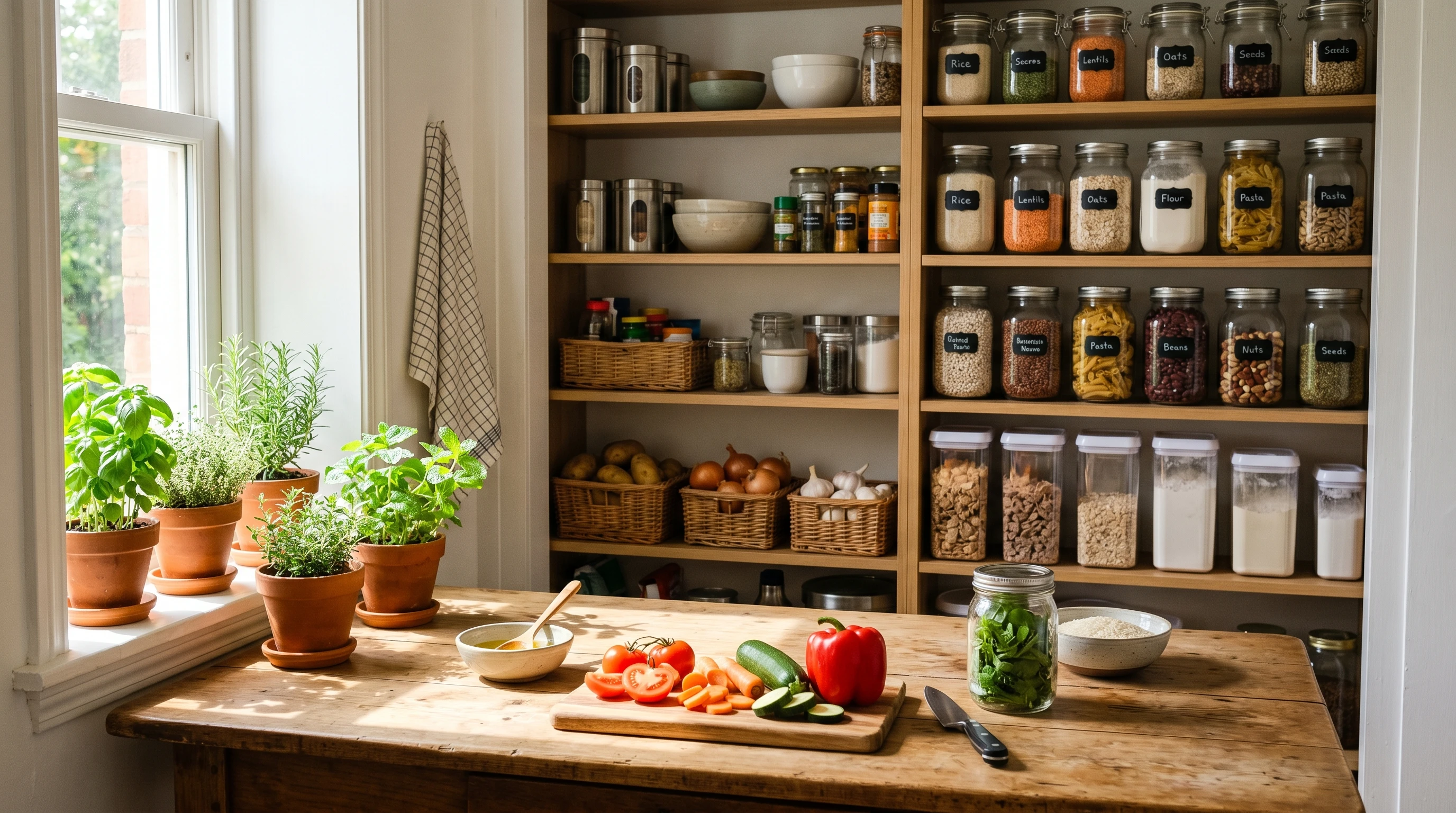
- Cook at Home: Home-cooked meals are my number one money saver. Simple rice bowls, pasta dishes, or stir fries are much cheaper than takeout. I like to double recipes and freeze leftovers, which helps prevent take-out temptations.
- Buy in Bulk Where Appropriate: For pantry staples like oats or beans, buying big bags is usually cheaper per serving. I skip buying perishables in large amounts if I can’t finish them before they spoil.
- Shop Second-hand: I check local thrift shops and online markets for clothing, furniture, and gadgets. The savings are significant and the quality can often be surprisingly high. I bought a bread maker on Facebook Marketplace for $45 that would generally retail for at least $100.
- Cut Energy Costs: Small actions like switching off lights, unplugging devices, and weather-stripping windows make a difference. Swapping to efficient bulbs further lowers my utility bills.
- Trim Subscriptions: With things like streaming services piling on monthly charges, I regularly ask myself which ones I actually use and cancel the rest. Read my tips on cutting monthly expenses for a smooth walk-through of this process.
Eating Well Without Spending a Lot
You don’t have to spend big for healthy, good meals. I plan dishes around inexpensive basics—think lentils, rice, pasta, canned tomatoes, and eggs. I keep an eye out for local produce specials and use coupons or price match when shopping.
Batch cooking helps keep meals affordable, healthy, and quick. I’ll prepare a large soup, freeze extra servings, and pull them out for easy weeknight dinners. I choose storebrand products over name brands whenever possible; I find they taste just as good and usually cost less. For more inspiration, see my budget meal planning guide.
Affordable Housing: Tips and Options
Your home is likely your largest monthly expense. I list every cost tied to my living situation: rent, bills, insurance, and daily travel costs. Sharing your space—as roommates or with family—usually keeps costs manageable and can also bring extra companionship.
Homes further from city centers are often more budget-friendly. I’ve gotten lucky by asking friends, coworkers, and relatives for housing leads before searching public listings. When talking to landlords, I ask about extras like utilities, laundry, and internet, since these can increase your budget.
It’s smart to check if you’re eligible for local housing assistance programs or if short-term rental options are available. You can read details in my guide about affordable housing options.
Finding Free and Low-Cost Entertainment
A slim wallet doesn’t mean giving up fun. I watch for free community events, library programs, and do outdoor activities like local hikes or biking. Libraries give you way more than books; many let you borrow movies, passes to museums, or even tools.
Outdoor concerts, free museum days, and potlucks with friends are highlights that cost nearly nothing. Exploring new parks or taking part in neighborhood festivals gives me a sense of adventure and social connection. Even if you’re sticking close to home, inviting friends over for a game night or a movie can be just as enjoyable as a night out.
Preparing for Emergencies on a Low Budget
No matter your income, it helps to create a small emergency fund. I started with a $50 monthly goal kept in a no-fee savings account. This emergency fund has been a lifesaver for surprise expenses like car repairs or job changes, keeping me out of debt.
I recommend automatic transfers or direct deposit to help you save without thinking about it. Little by little, your cushion grows. For more ideas, read how to create an emergency fund on a low income.
Common Questions About Living Well on a Low Budget
Here are some questions I get most often from others on a budget—and my answers:
Question: What if my income is unpredictable?
Answer: I plan my budget around the lowest amount I can count on each month and treat anything above that as a bonus. Taking on a side gig can add a layer of stability. Check my side income ideas for more ways to increase your income.
Question: How do I save with kids?
Answer: Meal planning, buying second-hand clothes and toys, and finding free family activities are my go-to moves. Local community centers and schools often have no or low-cost programs for children. Get more tips in my article about saving with kids.
Question: Is it really possible to enjoy life while living on less?
Answer: Absolutely. I focus on relationships, simple pleasures, and experiences, not stuff. Keeping a gratitude journal, jumping into hobbies, and sharing resources with friends has made life far richer than any new purchase might.
Real-World Success: Small Changes, Big Results
When I started choosing these habits, the change didn’t feel obvious right away. Months later, the results were undeniable—my stress level dropped and I saw my savings account slowly grow. Friends often share their stories: taking public transit, planning grocery lists, or swapping out takeout for home-cooked meals freed up money for mini adventures or even helped eliminate debt. The biggest game changer is just sticking with it, even after a slip-up.
Now, I enjoy making my own meals, spending quality time at home, and feeling less pressure to impress anyone else. If you’re searching for more motivation, I suggest you check out these budget living success stories.
More Resources for Living Well on Less
Getting comfortable with a low budget is a process, but each step gets easier and more sustainable. I’ve put together more guides and toolkits in the budget living resources section, including checklists, example spending plans, and information on organizations that can support your goals.
Changing habits, having a plan, and making the most of local resources has made the most difference for me. Even though every person’s money adventure is different, steady effort and the right mindset transforms living on a budget from a chore to a lifestyle that’s genuinely fulfilling—even with less.