
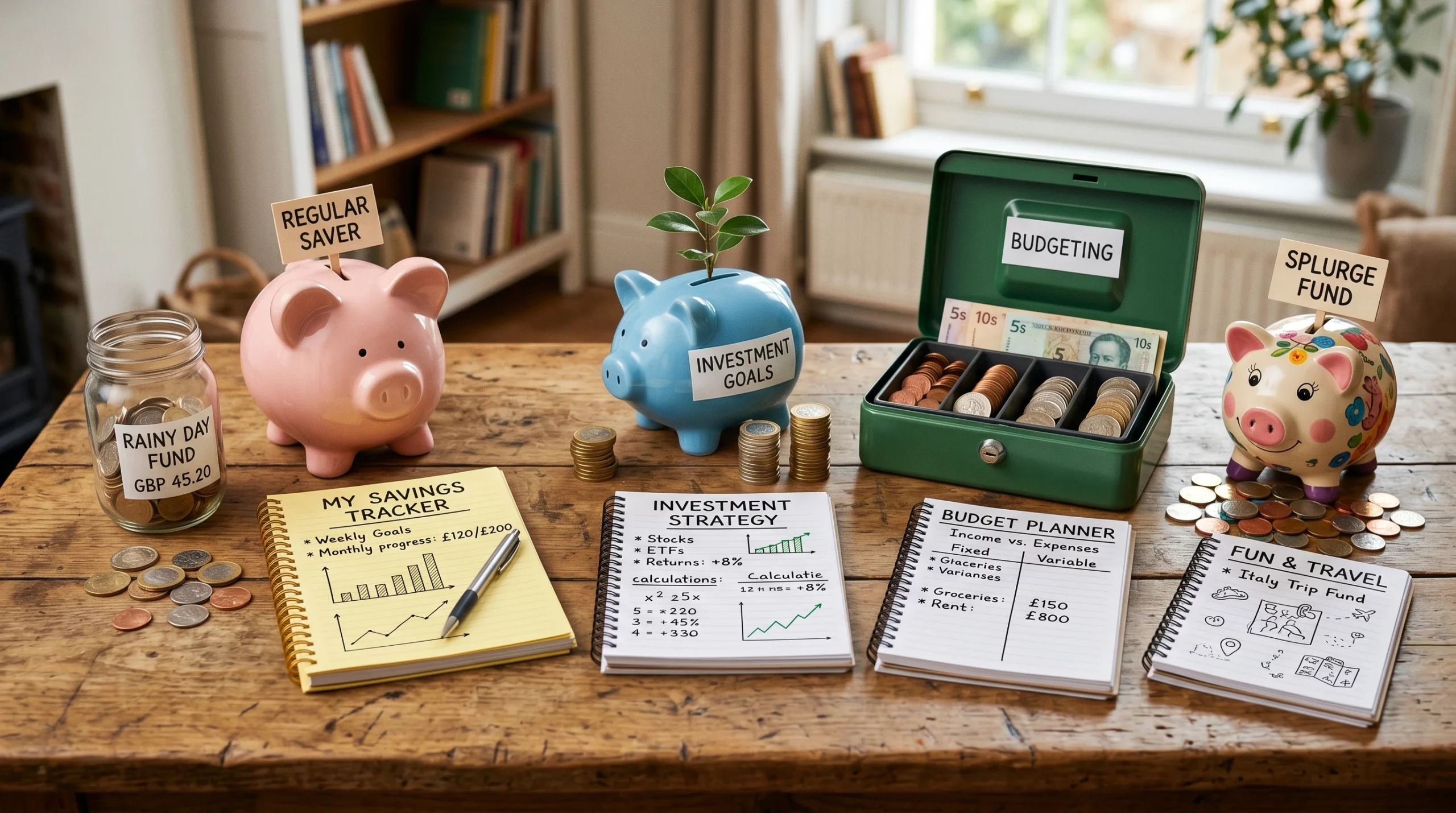
Understanding Your Money Mindset
Understanding your money mindset shapes nearly every decision I make when it comes to earning, spending, saving, or investing. My beliefs and attitudes about money are developed over time, often starting in childhood, and can deeply influence my financial habits as an adult. If I want to improve my finances and feel more confident with money, it helps to first get clear on what my money mindset is and how it may be affecting me day to day.
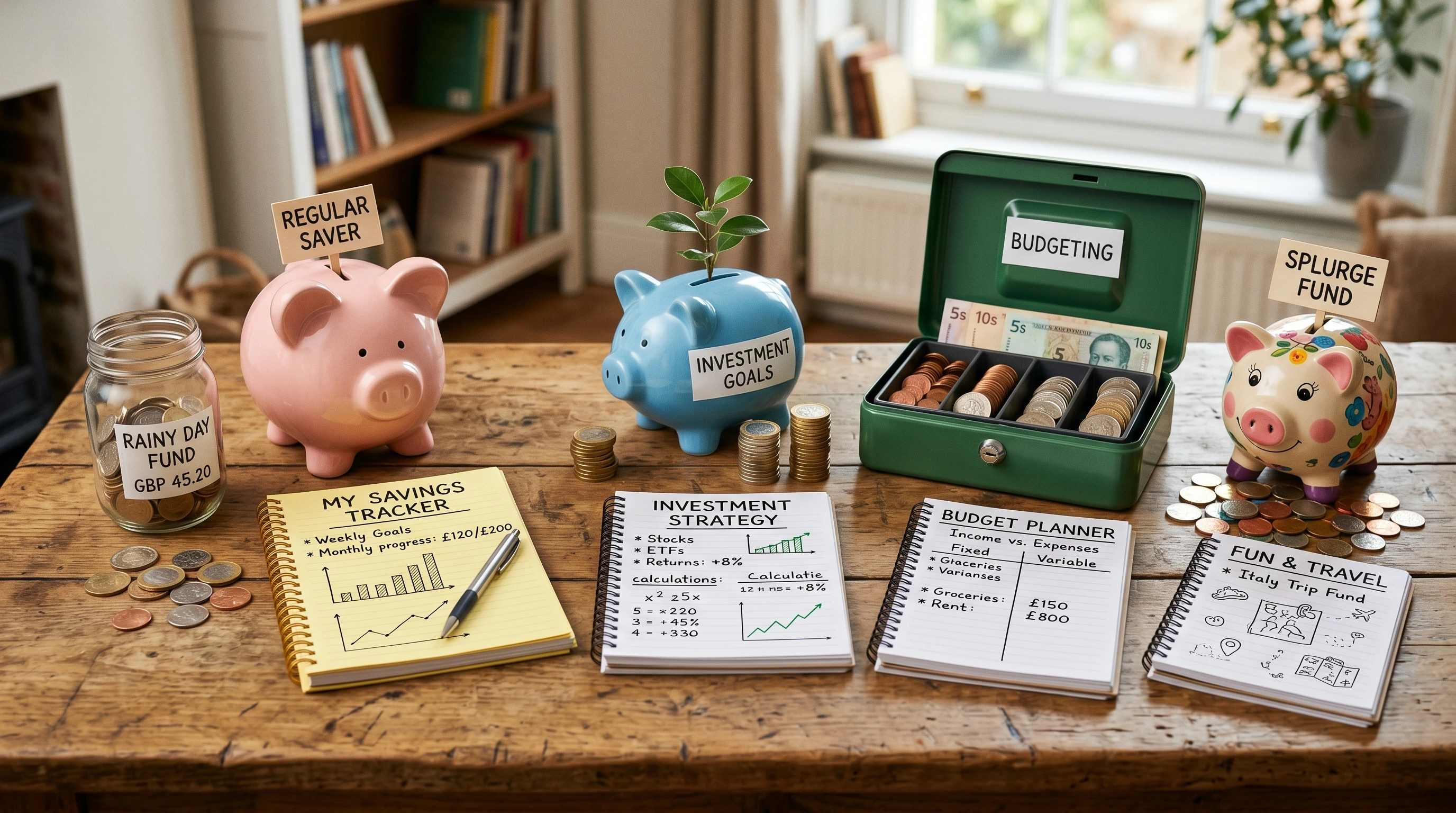
What is a Money Mindset?
Money mindset describes the collection of beliefs, thoughts, and feelings I have about money. This mindset can be positive, helping me make smart decisions, or it can be negative, holding me back from reaching my financial goals. For some, money feels like a tool for freedom and choice, while for others, it may trigger stress or guilt. Every person’s money mindset is unique. Understanding the basics shapes how I respond to challenges and opportunities with money.
My money mindset isn’t fixed. It comes from life experiences, observations, conversations at home, and messages from media and friends. If I catch myself thinking “I’ll never get ahead,” or “I’m just not good with money,” that’s my mindset talking. Noticing these patterns is the first step toward making more helpful changes. It’s natural for these thoughts to come up, but recognizing them gives me the power to step up my approach and aim for improvement.
How Money Mindset Is Formed
The foundation of my money mindset often traces back to childhood. Family habits, attitudes, and even the words used around money create my first impressions. For example, if I heard constant worry about bills, I might view money as a source of anxiety. But if I saw family members confidently managing budgets or investing, I could develop a sense of curiosity or optimism about financial topics.
Cultural background, education, social influences, and significant life events play a role in shaping how I view financial security, wealth, and risk. Even as an adult, big events like job loss, windfalls, or economic downturns can challenge and reshape my mindset. Being aware of where beliefs come from makes it easier for me to choose which ones I want to keep and which ones I want to switch up. Taking time to check in with myself about these origins can set the stage for a more positive outlook in the future.
Common Types of Money Mindsets
Recognizing which money mindset I relate to most can help me identify both my strengths and areas for growth. Here are a few examples:
- Scarcity Mindset: I often feel there is never enough money, leading to anxiety and limiting beliefs. It’s common to worry constantly about running out, even when things are stable.
- Abundance Mindset: I believe opportunities to earn and manage money are always available. This mindset encourages me to take healthy financial risks or invest in the future.
- Avoidance Mindset: I may ignore financial matters or put off important decisions to avoid stress. Bills, budgets, and investments might feel overwhelming or intimidating.
- Security Focused Mindset: I prioritize safety and stability, valuing steady income and savings. While this helps with preparation, I may also miss out on growth opportunities if I’m too cautious.
- Spender or Saver Mindset: I might naturally lean toward spending for pleasure or saving for peace of mind. Each approach has benefits but can create problems if taken to extremes.
It’s important to remember these categories are flexible. I often find myself moving between them based on circumstances, new knowledge, or changes in my goals. Sometimes, a combination of these mindsets emerges, and paying attention to those shifts can help spot areas that need attention or praise.
Why Understanding Money Mindset Matters
The way I think about money can influence not just my finances, but my relationships and sense of self-worth. Misunderstandings among partners, friends, or family can often be traced back to different money mindsets clashing over saving, spending, or investing priorities.
A helpful money mindset leads to better choices, improved discipline, and a healthier attitude toward financial setbacks and successes. On the other hand, a negative or limiting mindset may cause stress, missed opportunities, or cycles of debt. By identifying my dominant beliefs, I open the door to replacing old habits with healthier, more productive ones.
For those trying to boost financial wellness or work toward goals like buying a home, starting a business, or enjoying retirement, getting a sense of my money mindset provides a foundation to build on. It replaces confusion or frustration with clarity and motivation. The sooner I get a grip on my mindset, the sooner I can let small changes snowball into bigger gains.
How to Identify My Money Mindset
Becoming more aware of my thoughts and reactions is the first step. I can try asking myself these questions or writing my answers in a notebook for more insight:
- How did my family talk about money growing up?
- Do I feel stress, excitement, or guilt when thinking about spending money?
- When I receive extra money, am I more likely to save it, spend it, or invest it?
- How do I react to financial setbacks?
- What beliefs do I have about wealthy people?
Looking over these answers can help me spot patterns. If I notice mostly negative or limiting reactions, it may be time to challenge those ideas with new approaches and more helpful beliefs. Tracking daily money decisions or keeping a journal of spending can also reveal hidden feelings and triggers, making it easier to respond instead of just reacting without thinking.
An additional tool I use is reflecting on financial role models. Who did I look up to as a child? How did they talk about budgets or savings? Considering these influences gives me extra clues about the roots of my beliefs and spots where I might want to make a positive adjustment.
Steps for Shifting Money Mindset
Switching up my money mindset is a process, not a quick fix. Here are steps that have helped me and many others update old beliefs and build new, more helpful habits:
- Notice the Inner Dialogue: Pay attention to negative statements or self-judgment. If I hear, “I’ll never save enough,” I can intentionally replace it with “I’m learning new ways to manage my money.”
- Educate Myself: Learning about financial basics, investing, and budgeting helps me feel lifted up. Internal links to beginner finance guides or articles on budgeting tips can be especially useful. Simple actions, like reading a financial newsletter each week or using a budgeting app, help make this step easier.
- Set Clear Goals: Knowing what I want financially gives my actions a purpose. Small, specific goals, such as creating an emergency fund or paying off a credit card, keep me motivated and show progress. I find it helps to break down big goals into smaller, achievable tasks.
- Practice Gratitude: Focusing on what I already have can help me feel less anxious about what I lack. Regular gratitude checks balance the urge to compare myself to others and help me appreciate the progress I’ve made, no matter how small.
- Surround Myself with Positive Influences: Reading books or listening to podcasts by people who have made positive changes in their finances helps me stay inspired. It’s also helpful to talk with friends or join communities that share more encouraging attitudes about money.
- Track Progress: Celebrating small wins makes new habits stick. Creating a visual tracker for savings or debt-free milestones keeps me motivated to continue.
Building a better money mindset is a skill that takes practice. Mistakes are part of the process and not proof I can’t change. With steady effort and consistency, I can start to notice more positive results and feel at ease handling money situations that used to stress me out.
Real-World Examples of Money Mindset Shifts
Many people notice better financial results just by adjusting their money beliefs. For instance, someone stuck in a cycle of overspending realized her pattern came from trying to keep up with friends. Instead of blaming herself, she shifted her focus to what truly made her happy and began saving for activities she valued most. Over time, this simple switch in mindset led to more savings and less financial stress.
I worked with a freelancer who always struggled to raise his rates. After exploring his belief that “clients won’t pay more,” he learned that spelling out his value and setting boundaries actually led to higher-paying projects. Other examples include people letting go of the fear of investing, only to later spot opportunities for their money to grow. Sometimes, a small tweak in thinking can lead to big results down the road.
Stories like these show how changing underlying beliefs doesn’t always mean huge lifestyle changes. Instead, it’s mostly about making small, consistent tweaks in perspective and daily habits. As others have found, taking the time to check up on beliefs really can set you free from old money anxieties.
Common Money Mindset Questions and Answers
Question: Is it possible to change my money mindset as an adult?
Answer: Changing my money mindset is always possible, though it may take time. Practicing new habits, challenging old beliefs, and seeking out supportive information can all help me build a healthier relationship with money.
Question: Can my money mindset affect my relationships?
Answer: Yes, my money beliefs can impact how I communicate with partners, family members, and friends. Open, honest conversations about financial goals, values, and spending smooth the way for relationships to stay healthy and positive.
Question: Are some money mindsets better than others?
Answer: Certain mindsets, like abundance or a growth-oriented attitude, often give a boost to results. But every person’s experiences are different, and the most important thing is developing beliefs and practices that support the results I want to see.
Supporting Financial Wellness Through Mindset
Taking time to get clear on and update my money mindset is one of the best ways to support long-term financial wellness. With greater awareness, I can make choices that match up with my values and goals. Small, regular changes add up to big results. If you want to give a boost to your financial wellness, check out related topics like how to make a budget or investing for beginners.
Money mindset isn’t just about dollars and cents. It touches how I relate to security, freedom, and even my future plans. By honestly exploring these ideas, I give myself an edge on my adventure to financial confidence and wellbeing.