
Investing 101: How To Get Started
If you’re interested in growing your money over time, learning about investing is a strong place to begin. Even if you feel a little overwhelmed by complicated terms or tons of investment choices, the basics are easier to understand than you might think. In this guide, I’m going to share what I’ve learned about getting started with investing so you can move forward confidently, whether you’re planning on building wealth, saving for retirement, or you want to achieve a personal financial goal.

Why Learning About Investing Matters
Investing isn’t just for experts or people with large sums of money. Starting small and learning the basics can have a big impact on your financial future. No matter your age or how much you have available each month, you can get started and see results. When I began to study personal finance, I realized that leaving savings in a basic account earned little interest. Investing, on the other hand, gave my money a better chance to grow faster over time thanks to something called compound growth.
Compound growth means the money you earn also starts generating its own earnings. Over years or even decades, this effect can help you reach goals like buying a home, paying for education, or retiring comfortably. According to the U.S. Securities and Exchange Commission, starting early increases your potential for larger long-term gains due to compounding.
If you’re new to financial terms, I’ve found it helpful to bookmark investing basics on trustworthy sites like Investor.gov. This supports building a strong foundation and makes harder topics feel less intimidating. Beyond that, following financial podcasts or YouTube channels aimed at beginners also helps make sense of news headlines or economic developments that affect investments.
Core Principles You Should Know
Investing has its own key ideas that help make sense of how it works. Some of the concepts that really helped me as a beginner include:
- Risk and Return: Every investment involves some risk, which refers to the chance your investment may lose value. Generally, investments with higher potential for growth (like stocks) also carry higher chances of ups and downs. Balancing your comfort with risk is important before you get started.
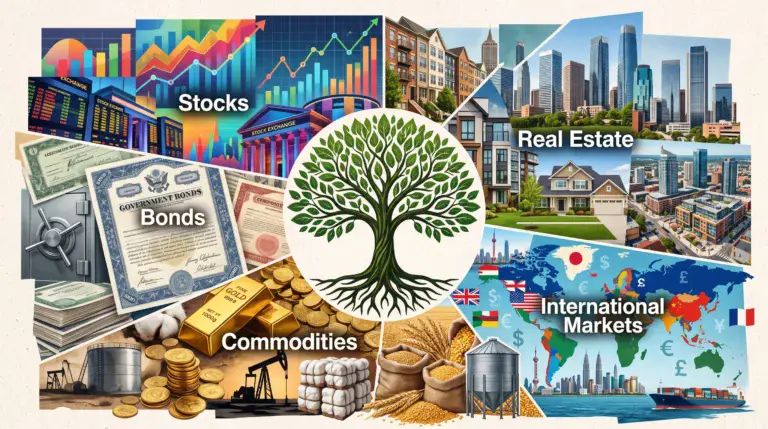
- Asset Classes: These are different kinds of investments such as stocks and bonds, mutual funds, and real estate. Each one works differently and reacts in its own way to changes in the economy.
- Diversification: This means spreading your money across different investments. I always remind myself that putting all my eggs in one basket could result in bigger losses. Diversifying helps manage risk.
- Setting Goals: Clear goals give you a plan for how much to invest and for how long. My own goals started with saving for emergencies, then moved on to building wealth for the future.
You don’t have to know everything about each principle right away. Focusing on understanding these basics gives you a good starting point and helps you ask the right questions when you dig deeper. You might also keep a simple journal or spreadsheet for your own learning process, making notes about terms or ideas you want to check out later.
Getting Started: First Steps in Investing
Taking the first steps to start investing can feel daunting if you haven’t done it before. My experience showed me that breaking down the process makes it much more manageable. Here’s a simple approach I recommend:
- Set Your Financial Goals: Know why you want to invest. It could be for retirement, buying a car, a child’s education, or financial independence.
- Build Your Emergency Fund: I learned early that it’s really important to have savings you can easily access in case of unexpected events. A good rule is aiming for 3-6 months of basic living expenses before investing larger sums. But if you’re paying down debt, you should only save up $1000. You will then proceed with the whole 3-6 months of expenses saved at that point.
- Pay Down High-Interest Debt: Credit card debt or payday loans often charge much higher interest rates than the average return you’ll get from investing. I worked on reducing my debt because the money I saved there had a guaranteed return.
- Choose Where to Invest: Open an account with a reputable brokerage or use your employer’s retirement plan if available. Many firms now make it easy to start with no minimums and userfriendly mobile apps. You’ll usually pick from individual retirement accounts (IRAs), taxable brokerage accounts, or company 401(k) plans.
- Pick Your Investments: Starter portfolios often include broad index funds, exchange-traded funds (ETFs), or target-date funds. These offer built-in diversification with low fees. I kept things simple at first until I felt comfortable investing in individual stocks.
- Automate Your Contributions: Setting up automatic transfers from my paycheck or bank account helped me stay consistent without overthinking each month. This also allowed me to benefit from something called “dollar cost averaging,” where consistent investments help lower risk across market ups and downs.
These steps helped me create a more stable financial base that made investing feel much less stressful. It’s worth spending a bit of time upfront getting organized, making a checklist of each step so that you have clarity at every stage. And if you ever feel unsure about your choices, talking with a trusted friend or advisor can give you a helpful perspective.
Common Types of Investments Explained
A lot of people ask which investment choices are best when you’re just starting out. While there’s no single answer for everyone, learning about the popular choices can help you decide. Here’s a quick breakdown of types I considered and how each one may fit different needs:
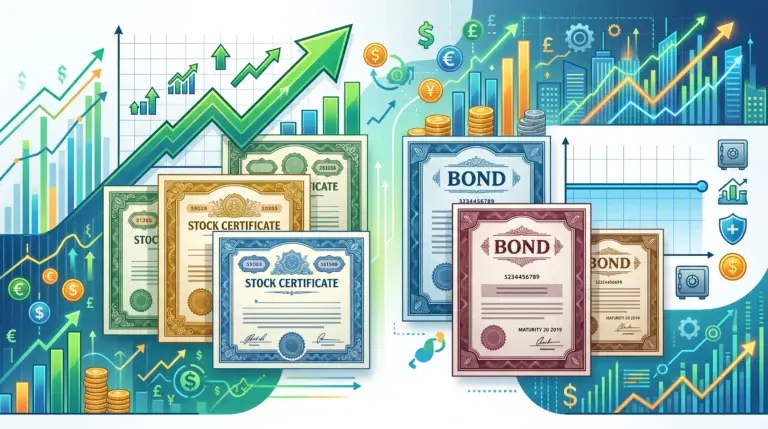
- Stocks: When you own a stock, you own a fraction of a public company. Stocks can have higher ups and downs but may offer the strongest long-term growth. If you want to learn about this in more depth, I’ve shared more on how to invest in stocks.
- Bonds: Bonds are loans you make to governments or companies. They usually provide more stable returns than stocks but offer lower growth. They are often used to balance the risk in an investment mix.
- Mutual Funds and ETFs: These bundle together many stocks or bonds into one investment. Index funds and ETFs are popular with beginners because they are simple, affordable, and include built-in diversification. Check my article on index funds versus ETFs for more details.
- Real Estate: Buying property directly or investing in real estate investment trusts (REITs) offers another way to diversify. While real estate comes with special risks and costs, some people like the stability it can add to a portfolio.
I chose to start with index funds because they gave me access to the whole stock market at a low cost, which made things less risky and overwhelming. The automation, simplicity, and wide market exposure of these funds made managing my investments straightforward while I built my knowledge.
Things to Keep In Mind Before Investing
I ran into several important factors that made a big difference in my results and peace of mind. Staying aware of these can make investing more comfortable and rewarding:
- Fees: Investment accounts and some funds charge fees. Even small differences can eat into your returns over time. I always read the fine print and compare costs, choosing low-fee options where I could.
- Market Ups and Downs: Investments will rise and fall in value. Sometimes this feels stressful. I found that sticking to my longterm plan instead of reacting daily made things a lot easier. Also, always remember that market volitility (another word for the market ups and downs) are the price of admission to the markets.
- Time Horizon: The longer you can leave your money invested, the better you can ride out ups and downs. For short-term goals, I keep money in safer options like high-yield savings accounts or short-term bonds.
- Staying Informed: Markets, rules, and products change. I make sure to check resources like FINRA.org and stay updated with reliable finance news to protect myself from scams or outdated strategies.
Fees
Account and fund fees can sometimes be hard to spot but make a real difference in the long run. I compare the “expense ratio” for funds and watch out for hidden charges. Lower fees usually help investments grow more efficiently over time. Learn more about this topic in my guide on investment fees explained. By using calculators or online tools, it’s possible to see the impact of fees on your portfolio over several decades. It’s something worth checking out before settling on any fund or account.
Emotional Investing
It’s easy to get nervous and want to unload your investments when prices fall, or jump in when prices soar. I’ve learned that reacting to emotions rarely works out well. A steady, long-term approach usually does better than trying to perfectly time the market. Reading books on investor psychology or tuning in to podcasts featuring experienced investors helped me learn how to see beyond temporary market noise.
Understanding Your Options
Even with limited money to invest, there are ways to get started. Some investment apps offer fractional shares, letting you buy pieces of stocks for as little as $1. Exploring these options made investing much more accessible for me and can be a good entry point while you keep learning. You might also want to check which accounts come with bonus features, like educational resources, automatic rebalancing, or access to customer support for beginners.
Pitfalls for New Investors & How to Avoid Them
I ran into some bumps when starting out, and I’ve seen friends make similar mistakes. You can sidestep a lot of trouble by keeping these tips in mind:
- Chasing Quick Gains: Avoid investments that promise big profits fast. If it sounds too good to be true, it probably is.
- Ignoring Diversification: Putting money into just one or two things increases risk. Diversifying as much as you can is practical advice for beginners.
- Not Reviewing Your Plan: I found it valuable to check on my investments once or twice a year and rebalance if one type started taking over my portfolio.
- Skipping Research: I always check company backgrounds, fund details, or real estate offers before investing. Careful research helps buyers make informed decisions and avoid scams. I recommend morningstar.com for researching funds. You can also get all the information you need from the SEC.gov EDGAR database for individual stocks.
By building a habit of reviewing your choices and learning how to spot red flags, your chances of longterm success go up. If you ever see an investment offer that pressures you with urgency, that’s usually a warning sign. Taking a pause and talking to someone you trust is always better than making rushed decisions.
Frequently Asked Questions about Starting to Invest
Many beginners have questions when taking their first steps in investing. Here are some I hear most often:
Question: How much do I need to start investing?
Answer: Many platforms let you start with as little as $10-$100. Several apps now allow you to buy partial shares, so big sums aren’t needed to start. You can start small and increase your contributions as you get more comfortable.
Question: Should I invest or pay off debt first?
Answer: If your debt charges high interest (like credit cards), focus on paying that down before investing more money. For lower-rate loans, a mix of investing and steady repayment often works well. It’s all about balancing your overall financial picture and making steady progress in both areas.
Question: How do I pick the right investments?
Answer: Keeping it simple with index funds or ETFs is a smart move for most beginners. Look for low fees and broad market exposure. As you learn more, explore other categories that match your goals. Taking advantage of retirement accounts can provide tax benefits too.
Question: Is there a best time to start?
Answer: Starting as soon as you can gives you the most time for your investments to grow. Waiting for the “perfect” moment usually isn’t needed. Time in the market matters more than timing the market. The earlier you begin, even with small amounts, the greater your growth potential due to compounding.
Key Takeaways and Next Steps
Investing is approachable for anyone with some patience and willingness to learn. Focus on your goals, keep costs low, diversify your portfolio, and stick with the plan through ups and downs. If you’re interested in learning about specific investment products, check out my articles on Roth IRA basics and how to invest in ETFs. Remember, every good investment adventure grows over time and with experience. Give yourself space to learn and adjust your approach as your knowledge grows. Don’t hesitate to check in with professionals or community groups if you have more questions along the way. Your financial future will thank you for every step you take, no matter how small at first.