How To Save Money On A Tight Income
Saving money while living on a tight income can be tricky, but it’s definitely possible with a few simple habits and the right mindset. When I started focusing on saving more, my biggest challenge was feeling like every dollar went straight out the door as soon as my paycheck came in. It’s easy to feel stuck, but I found that breaking things into manageable parts and following a plan made a real difference.
Understanding Why Saving Feels Hard on a Tight Budget
The main reason saving feels tough when you have a small income is what’s known as Parkinson’s Law. This idea says that expenses always rise to match the money you have available. When I got a raise, it seemed like my bills and needs grew too. The truth is, without a plan, my spending balloons to fit my bank account, no matter the amount. This is why it’s really important to create a system that helps me save first, even before paying expenses.
Setting Up a Savings Plan That Works for Low Income
Having an exact plan is the only way I’ve been able to build savings, even when funds are tight. Here’s how you can do it too:
- Pick a Realistic Percentage to Save: Even if it’s small, like 2% to 5% of your paycheck, it adds up over time. The trick is to start with what truly fits your budget. Consistency is the important part.
- Transfer Savings Automatically: I set up my bank to move money into a savings account as soon as I get paid. With the money out of my checking account, I can’t easily spend it. This “set it and forget it” approach keeps me on track without having to think about it all the time.
- Use a Separate Account for Savings: Keeping saved money in a separate account (even at a different bank) makes it less tempting to dip into those funds for everyday expenses. It’s even better if you open a High-Yield Saving Account. I actually have mine at Ally Bank paying 3.5% APY.
This approach stops Parkinson’s Law in its tracks. By “paying myself first”, I lower the amount in my checking account. With less money visible, my spending naturally shrinks to fit what’s available.
Practical Ways to Lower Day-to-Day Expenses
Making room for saving comes down to trimming everyday spending. Here are specific steps that have helped me put more money into savings without feeling deprived:
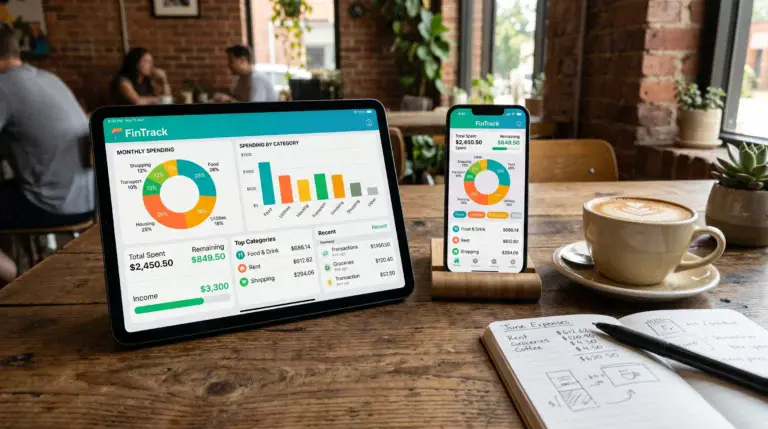
- Track Every Expense: Writing down even the smallest purchases made a huge impact. Apps or a notebook both work for this, and patterns will start to pop out at you.
- Create a Simple Monthly Budget: I use just three categories: needs (rent, food, transportation), wants (dining out, snacks, hobbies), and savings. Even basic budgeting revealed where I was spending more than I realized.
- Cut Subscriptions and Extras: Reviewing memberships or streaming services every three months led to quick savings. Canceling two or three I barely used left more money to save.
- Shop Smarter: I started comparing prices, buying in bulk for staples (I have memberships at Sam’s Club and BJ’s wholesale with Costco coming in the near future), and taking advantage of loyalty programs. Also, sticking to a grocery list and avoiding impulse buys made a big difference in cutting costs.
Smart Shopping Tips When There’s Not Much Wiggle Room
Getting creative with the way I shopped added up to real savings. Here are a few habits that became part of my routine:
- Buy Used When Possible: I check for used items first when I need clothes, home goods, or electronics. Thrift stores and online markets often have good quality items for less.
- Plan Meals and Batch Cook: Making a meal plan and cooking in batches saved me both time and money. I now avoid takeout and reduce food waste.
- Avoid Shopping When I’m Emotional: When I’m feeling stressed or bored, shopping online is way too easy. I pause and give myself a day before making non-essential purchases.
- Delay “Wants” Purchases: I make a 48-hour rule for anything not needed. If I still want it after two days, I consider buying it then.
Dealing With Unexpected Expenses Without Losing Your Progress
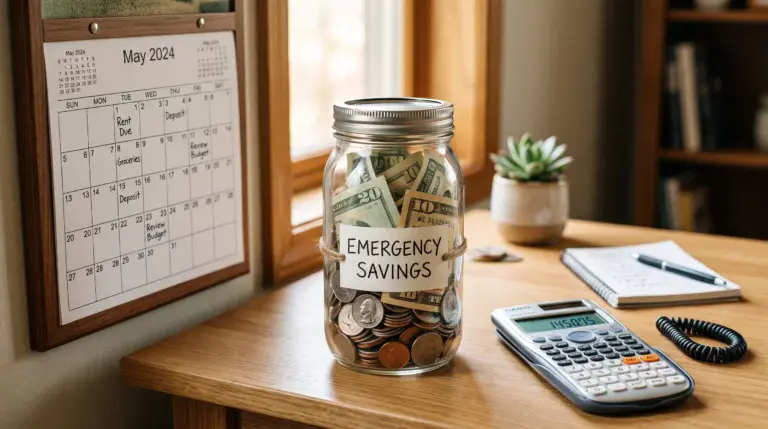
Emergencies happen even on a well-planned budget. I handle surprise medical bills or car repairs by setting up a small “buffer” savings account, even if it’s just $50 at first. Having something set aside helps me avoid debt or dipping into other savings. If an emergency does come up, I return to saving as soon as I can, even if I have to pause for a little while.
Common Obstacles, and How I Work Around Them
- Irregular Paychecks: When I had jobs with varying pay, I saved a percentage instead of a fixed amount each month. On bigger pay periods, I saved a little more.
- Motivation Slipping: I stayed inspired by making clear, small goals. For example, I set a target to save $100, then $500, then $1,000. Each time I reached a goal, I celebrated in a free or affordable way.
- Temptation to Spend: I avoid keeping savings in the same account as my spending money. The extra step it takes to transfer money out gives me more time to reconsider.
Making Savings Automatic
Automating savings changed everything for me. Every payday, as soon as the money comes in, a set percentage is transferred into a separate savings account. If you can set this up with your employer or directly through your bank, it keeps the process out of sight and out of mind. No extra work needed. After a while, I barely even notice the money leaving my checking account, but my savings continue to grow in the background.
Using Community and Assistance Programs
If my income was really tight, I looked into what help was offered in my area. Food pantries, utility bill support, and free financial counseling can make a big difference and help ease the pressure enough to start saving little by little. Sometimes these programs also give tips on other ways to make your money stretch or help you connect with people on similar adventures, which can make it easier to stick with your goals.
Examples of How Small Savings Add Up
I used to think that saving just a few dollars at a time wasn’t worth it. But when I added up the results at the end of the year, I was surprised. Saving $10 a week turns into $520 after a year. If I was able to put aside $25 a week, that became $1,300 in twelve months. Seeing those totals helped keep me motivated. Even saving spare change or rounding up purchases and moving the difference to savings can boost your totals across a year. Every little bit counts when you stick to the habit.
Frequently Asked Questions About Saving on a Tight Income
These are some of the questions I get asked most often by friends and family who are trying to start saving, even when money’s tight.
Question: What’s the smallest amount worth saving?
Answer: Any amount helps build the habit. I started with just a few dollars per paycheck, and over time, the habit grew along with my savings. Find a number that’s truly doable for you and start there.
Question: What if I have to dip into savings for an emergency?
Answer: Emergencies are a part of life. I just get back to my routine when I can, even if I have to start back at the beginning. Having to use your savings for a real need means your system is working.
Question: How do I stop spending everything in my account?
Answer: Setting up an auto-transfer to a separate savings account keeps extra money out of reach, making it less likely for me to spend what I want saved. You might also consider keeping your debit card somewhere inconvenient or using cash for spending, so the money in your account is less tempting to touch.
Key Takeaways for Saving Money on a Tight Income
I’ve learned from my own experience that saving isn’t only for people with high incomes. Using Parkinson’s Law to your advantage by setting aside savings first, making your system automatic, and focusing on cutting out wasteful spending helps you build real security over time. There will always be tough months, but small, steady steps create big results. It’s all about building good habits and sticking with them, even when things aren’t perfect.
Starting with a tiny saving target is better than not saving at all. With practice, creativity, and some patience, I’ve found saving on a tight budget is possible, and it gets easier with every paycheck. Remember, every dollar saved is a step forward, and your future self will thank you for every effort you make today.
Finally, you can learn more about budgeting and saving money (and yes, they go together) by reading my comprehensive article here. You can also read my comprehensive article of living frugally here.