
Emergency Funds: Why And How To Build One
I depend on my emergency fund as a safety net when life throws surprises my way. An emergency fund is simply money I set aside specifically for unexpected expenses or in case my income suddenly drops. This fund gives me financial protection, helping me avoid debt and keeping me from having to sell investments early when things don’t go as planned.
What Is an Emergency Fund and Why Does It Matter?
An emergency fund is money I save in a separate, easy to reach account. Its main purpose is to help me pay for things I didn’t see coming, like a sudden job loss, urgent medical bills, or a big repair bill I can’t put off. Having an emergency fund brings peace of mind and makes it easier to deal with whatever challenges come up.
When I have this cash cushion ready, a tough situation doesn’t turn into a bigger problem. I can make decisions more clearly when I’m not panicking about money. Even a small emergency fund can stop me from reaching for high interest loans or credit cards just to get by. This saves me a lot of financial stress over time.
Why I Need an Emergency Fund
- Prevents reliance on high interest debt: When I run into surprise expenses, like a new transmission or an ER visit, my emergency fund covers the cost so I don’t rack up big credit card bills.
- Keeps my finances steady during tough times: If I lose my job or experience a sudden drop in income, having savings helps cover rent, bills, and groceries until I get back on my feet.
- Makes stressful situations less overwhelming: Facing an emergency is enough to handle; at least with a cash cushion, I’m not also worrying about how to pay for it.
- Protects my investments for the long term: With money set aside, I don’t need to cash out stocks, retirement funds, or other investments early (and potentially lose out on growth or face penalties).
If you want to learn more about boosting your financial security, you may find additional tips in our guide to personal finance basics (coming soon).
What Qualifies as an Emergency?
Not every unexpected expense counts as a true emergency. I rely on three rules when deciding whether to dip into my fund: unexpected, necessary, and urgent. Here’s what that means:
- Unexpected: I didn’t see it coming and couldn’t plan for it (for example, sudden layoffs or a burst pipe).
- Necessary: It directly affects my or my family’s health, safety, job, or basic living situation. Skipping it would cause bigger problems.
- Urgent: The problem needs to be handled right away. Waiting would make things much worse or more expensive down the road.
Here are situations when my emergency fund makes sense:
- Job loss
- Medical expenses that weren’t planned for
- Major car repairs (when the car is my main way to work, for example)
- Essential home repairs like fixing a leaking roof or broken furnace
- Emergency travel for family health issues or funerals
Some things may feel urgent, but they aren’t really emergencies. My emergency fund does not cover:
- Vacations or holidays
- Planned purchases like electronics or furniture
- Eating out, tickets to concerts, or other entertainment
Emergency Fund vs. Sinking Fund
It can be easy to confuse an emergency fund with a sinking fund, but they serve different purposes in my budget. My emergency fund is strictly for surprise expenses; anything that throws off my normal finances and needs action now.
A sinking fund is money I save for planned expenses I know are coming up, even if they aren’t every month. For example, I might set aside money each payday for car maintenance, annual insurance, or future holidays. Keeping these two funds separate makes sure my emergency savings are ready when I truly need them.
How Much Should I Save?
The right amount for an emergency fund depends on my own financial situation, job safety, family needs, and how steady my income is. Aiming to build the fund in steps makes it much more manageable, especially if I’m starting from scratch. Track down what your regular monthly expenses are by writing them down for a few months—this can give you a realistic idea of your target savings.
- Starter goal: Saving $500–$1,000 gives me a little cushion for common mishaps, like minor car repairs or a sudden bill.
- Intermediate goal: Building the fund up to cover one month of basic expenses (rent, food, utilities, and transportation). This can see me through smaller emergencies.
- Long term goal: Once I’m comfortable, having three to six months of essential expenses saved makes a big difference. This amount covers most unemployment situations or major emergencies.
I adjust my goal as my life changes. If my job is less stable or I have people relying on me, having a larger fund feels safer. If my income is steady or I have other resources to lean on, I might feel okay with a smaller fund. Our guide to emergency fund amounts (coming soon) has more details if you’d like help with your own target.
It’s also helpful to set milestone reminders for yourself. Every time your emergency fund reaches a new level (for example, the first $500, then $2,000), give yourself a small treat or celebration. This keeps your motivation going, even if progress feels slow during tight months.
Where Should I Keep My Emergency Fund?
I want the fund to be safe, easy to access, and separate from my everyday spending. Here are the best places I’ve found:
- High yield savings account: This is my favorite choice. My money is safe, earns a bit of interest, and I can transfer funds quickly if I need them.
- Money market account: This can work well for larger balances. It combines safety, a reasonable interest rate, and check writing in some cases.
- Short term U.S. Treasuries: For bigger funds (over $10,000), I might keep a portion in short term Treasury bills, which are stable and can be accessed pretty quickly.
Some people ask if a regular checking account is okay for their emergency fund. While this does make money accessible, the temptation to spend is higher. Plus, you’re likely missing out on earning any interest. My experience says a separate savings account is safest and keeps the fund “out of sight, out of mind” until you really need it.
I avoid putting emergency savings in stocks or long term investments where the balance could drop or where it takes days to access my money. This helps make sure my fund is really ready when I need it.
How I Build My Emergency Fund
- Set a savings goal: I figure out a target that feels doable. Even $20 per week adds up over time.
- Automate my savings: I set up automatic transfers from my checking account to my emergency fund after each payday. It feels like another bill, and I don’t have to remember.
- Use extra cash to boost the fund: Whenever I get a raise, bonus, tax refund, or extra income from a side gig, I send a chunk straight to my emergency fund.
- Replenish after withdrawals: If I use some of the fund, my next priority is putting it back so I’m covered for the next emergency.
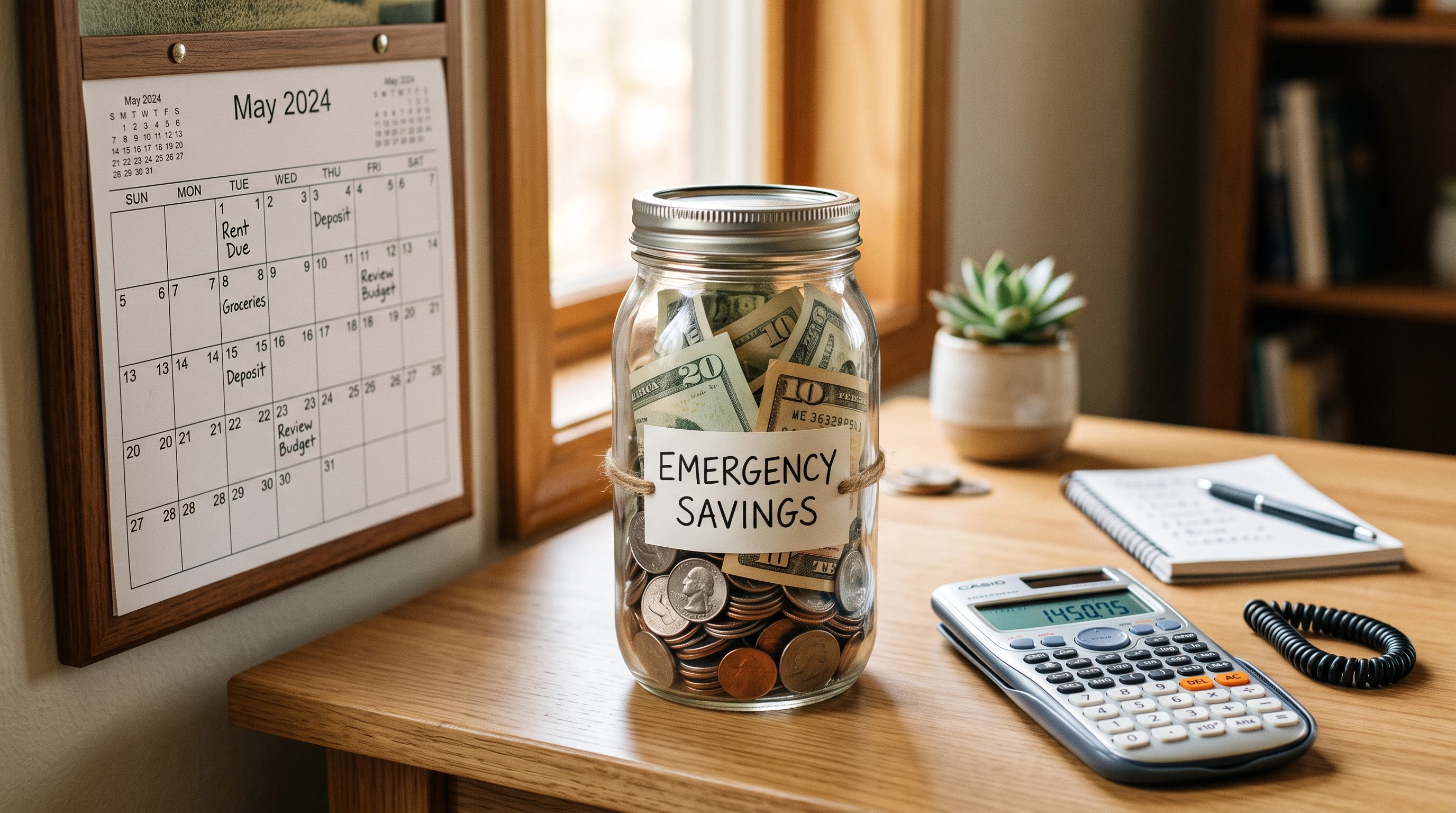
I’ve found that even emptying my pocket change into a jar and depositing it once a month helps my emergency fund quietly grow. Small habits add up surprisingly fast. If you’re interested in more ideas, our step by step emergency fund guide (coming soon) goes through more strategies you might want to check out.
Best Practices for Emergency Fund Success
- Keep it out of reach: I don’t keep my emergency savings linked to my everyday debit card. This stops me from dipping into it for non emergencies.
- Check on the fund every year: I review my target once each year, or any time there’s a big life change, like getting married, having a baby, or changing jobs.
- Increase it as life gets more complicated: More responsibilities or higher monthly expenses mean I want my fund to grow over time.
- Only use it for true emergencies: If I’m not sure, I ask myself if the expense is unexpected, necessary, and urgent. If it doesn’t check all three boxes, the money stays put.
- Consider inflation: Over the years, costs go up, so reviewing and possibly increasing my goal once a year ensures my emergency fund keeps its value.
Common Mistakes (and How I Avoid Them)
- Saving too little: It can be tempting to stop at $500 or $1,000, but keeping my progress going helps cover more serious problems.
- Investing the fund: I keep my emergency fund out of stocks or risky investments. Protecting the principal and keeping it ready to use is more important than chasing higher returns.
- Using the fund for non emergencies: If I want a vacation, I use a separate savings account. I keep my emergency fund only for situations I genuinely couldn’t expect.
- Not replacing what I use: Any time I tap into my fund, I make a plan to rebuild it. This way, I’m not left unprepared if something else happens.
- Ignoring small emergencies: Sometimes, ignoring small problems ends up costing more later. I use my fund when it’s really needed—even for smaller emergencies—because avoiding the issue can make things worse over time.
Takeaway: Emergency Funds Are the Foundation of Financial Security
My emergency fund isn’t always exciting, but it’s one of the most useful habits I’ve built. Starting small makes it less overwhelming, and automating my savings keeps my fund growing without much effort. Every step forward brings more financial confidence and less worry when life takes a turn. If you also want to improve your overall financial wellness, you’ll find more guidance in our article on starting an emoergency fund while paying off debt here.
If you have tips, success stories, or questions about emergency funds, I’d love to hear from you. Please drop your thoughts or questions in the comments below!