
How To Negotiate With Creditors
Facing unpaid bills or growing debt can feel overwhelming, but negotiating with creditors can make a real difference in your financial recovery. I’ve been through this myself, and learning how to approach creditors with honest communication and solid preparation helped me turn a stressful situation into something much more manageable. If you’re looking for ways to handle overdue accounts or to simply get ahead of potential problems, this guide will break down the steps to negotiate with creditors confidently and effectively.

Why Early Communication Works Best
Contacting your creditors early, before you fall too far behind, can help you avoid extra fees, negative credit marks, or collections. From my experience, creditors appreciate being notified about a possible late payment or sudden hardship. When you reach out early, it shows you’re taking responsibility and trying your best to work things out. This often leads to better options than if you wait until your account is badly overdue or already in collections, when choices may be more limited and your credit score might already have taken a hit.
Creditors—whether banks, lenders, or service providers—prefer working with borrowers who communicate and look for solutions. In most cases, working directly with you is less costly and way more effective for them than chasing down overdue accounts or dealing with legal processes, so don’t be afraid to make that call or send that first message.
How to Prepare Before Contacting Creditors
Taking the time to get organized before you reach out helps you present your situation clearly and confidently. When I had one of these conversations, I started by gathering my recent pay stubs, tracking my monthly expenses, printing out statements showing account balances and interest rates, and writing out my goals for a repayment plan.
- List Your Debts: Write down every debt you owe, including amounts, minimum monthly payments, interest rates, and due dates.
- Review Income and Expenses: Calculate your monthly take-home income and break down regular expenses such as housing, utilities, food, insurance, and more.
- Create a Basic Budget: Figure out how much you can put toward debt payments each month without overcommitting.
Gather documents that may help explain your hardship, like job termination notices, medical bills, pay reduction letters, or other proof of your situation. I found that having a short, honest written summary of my financial hardship made conversations feel much smoother and less stressful.
If you want step-by-step help getting started, you can check out a budgeting guide or template. Staying organized keeps you focused while talking with your creditors and helps you answer any questions that might come up.
What to Ask For: Common Negotiation Requests
Every company has its own process, but there are several standard requests creditors handle every day. Depending on your needs, you can ask for:
- Lower Interest Rates: Request a temporary or permanent reduction that can take a load off your payment burden and help you pay off debt faster.
- Waived Fees: Ask to reverse late fees, over-limit fees, or penalty charges that might have stacked up during a hardship.
- Temporary Hardship Programs: Many banks and lenders have short-term programs to lower or suspend payments for a few months when you hit a setback such as job loss or illness.
- Reduced Monthly Payments: Propose a payment amount you know you can manage within your current budget.
- Payment Deferrals: Request to push back one or more payments until you’re back on track financially.
- Loan Modifications or Term Extensions: For larger loans, see if your lender can extend your loan term or modify the terms for lower payments.
- Lump-Sum Settlements: Offer to settle a debt for less than the full amount if you can pay in a single sum. This generally does not apply to collateralized (secured) loans, as the lender may repossess the property used as collateral if the loan goes into default.
- Repayment Plans: Set up a plan to get caught up over time that works for your situation.
Not all creditors will agree to every request, but most will work with you when you explain your hardship and show willingness to pay what you can. If they can’t meet your ideal terms, don’t be discouraged—keep the conversation open and look for alternatives.
Practical Tips for Negotiating with Creditors
- Stay Calm and Respectful: The person you reach is there to help you, so remaining polite and composed makes things go more smoothly.
- Be Honest and Detailed: Briefly explain why you’re having trouble. For example, saying, “I lost my job and need some time to get back on my feet,” is far more helpful than just saying you can’t pay.
- Show Commitment: Make it clear you really do want to pay your debts and are looking for solutions with their help.
- Ask Open-Ended Questions: Try phrases like, “Are there any temporary help programs available?” or “Can you work with me on payments this month?” These encourage reps to offer ideas.
- Avoid Promising More Than You Can Do: Only agree to payment terms you’re certain you can keep up with. Overpromising can backfire down the road.
- Take Notes: Jot down names, dates, and details of every conversation, along with any agreements or promises made.
- Request Confirmation in Writing: Always ask for written confirmation (by letter or email) of any new payment plan or changed terms before you send any money.
If the first representative can’t help, politely ask if you can speak with a supervisor or call back. Sometimes different teams have more authority to approve requests or offer better solutions.
Differences Across Types of Debt
- Credit Cards: Most card issuers offer hardship programs and may agree to lower rates or reverse late fees. Your choices are almost always better if you contact them soon after a hardship starts. I have personally found that banks are willing to work with you to get the credit cards handled. Chase Bank made a deal with me that brought a credit card current with no fees attached to the over limit/late portion, and they made it where I could catch up the card by paying 3 months at a reasonable monthly payment of $350/month, then continue to pay as normal until paid off.
- Auto Loans: Lenders often allow skipped payments, term extensions, or plan modifications. Early, honest communication can help avoid repossession.
- Mortgages: Mortgage servicers have assistance options like forbearance or loan modification. Missing payments can mean big consequences for your home, so acting early is crucial.
- Medical Debt: Most hospitals and providers offer payment plans, and some have financial aid that can reduce your bill if you show proof of hardship.
- Student Loans: Federal loans come with deferment, forbearance, and income-driven repayment options. Private loans might be less flexible but are often still negotiable.
- Collection Agencies: If your debt’s in collections, you can negotiate for settlements or affordable payment plans. Always get agreements clearly in writing.
Lump-Sum Settlements: Pros, Cons, and Credit Impact
If you have a chunk of cash—maybe from a work bonus or selling something valuable—offering a lump sum payment in return for debt forgiveness can be quite effective, especially with charged-off debts or accounts already sent to collections.
- Pros: Settling can stop unwanted calls and close the account for less money than you originally owed.
- Cons: The amount written off may be reported to the IRS as taxable income, and your credit report could show the debt as “settled for less than the full balance,” which may ding your score for a bit.
- Depending on your financial situation, some forgiven debt may not be taxable under the IRS insolvency rules. Because tax treatment can be complex, it’s worth consulting a tax professional or reviewing IRS guidance.
Careful research helps you make informed choices. Checking out resources like the Consumer Financial Protection Bureau is highly recommended for guidance on how settlements affect your credit and taxes.
Your Rights and When to Seek Outside Help
As a borrower, you have important legal protections against harassment or abusive tactics by debt collectors. Under the Fair Debt Collection Practices Act (FDCPA), collectors can’t threaten or use offensive language, and they’re not allowed to call you at all hours. If you think a collector has crossed the line or you’re uncertain about your rights, report issues to the CFPB or the FTC.
If your financial situation gets too complicated or feels out of hand, reach out to a trusted non-profit credit counseling agency, such as the National Foundation for Credit Counseling (NFCC). Credit counselors help you build a basic budget, can talk with creditors on your behalf, and may have solutions like debt management plans to offer.
Even with your best efforts, there are times when debts are just too overwhelming. If you’ve talked with creditors and looked at all options, it might be time to speak with a bankruptcy attorney. Bankruptcy is a significant step, but for many facing severe hardship, it can provide a legal path toward a financial fresh start. Be sure to read materials on bankruptcy basics (Coming soon) and consult an expert before you choose this path.
My Personal Experience: Early Communication Saved Me
A few years back, I hit a rough spot when I overspent my credit (meaning I had plenty of credit, but not enough money to pay it all back easily). When I got in over my head in monthly payments, I decided to go to a debt settlement company (National Debt Relief after a previous failed debt settlement company) to handle the debt load. I ended up taking one card out of the program and made a deal with Chase Bank to make the card current and then pay as normal (that arangement is the story I shared a little earlier).
The big thing is when you get into a debt settlement program. Look for the one or two cards you want to keep, then make arangements to keep the cards paid as agreed (or catch them up if they’re behind) and then keep them paid current at all times.
Practical Steps to Get Started Today
- Write down every debt you owe, with details on balances, interest rates, and minimum payments. Get a free yearly credit report at AnnualCreditReport.com if you’re unsure about accounts.
- Gather current pay stubs, bank statements, and any documents that prove your financial hardship or show your monthly income and expenses.
- Put together a simple monthly budget to figure out what you can really afford for debt payments. If you want examples, check out our budgeting guide.
- Write a short hardship letter—even if just for yourself—explaining why you need some help, so it’s easier to communicate with creditors.
- Call your creditor or lender to honestly explain your situation. Ask what kinds of support or hardship programs they offer and see what documentation they request.
- Keep careful notes for each call, get all agreements in writing, and stick with the new plan once you’ve set terms.
Following these steps can bring real relief and prove to creditors that you’re serious about working things out. Honest communication, good preparation, and following through with commitments usually lead to the best possible results.
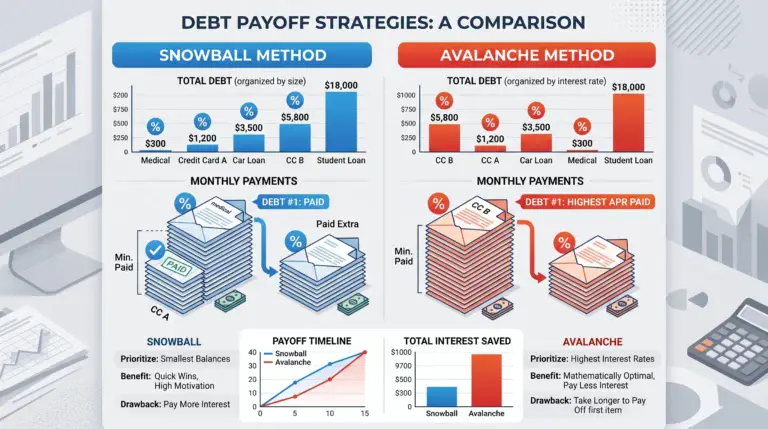
If you’d like more information about managing debt and stepping up your financial health, check out our tips on debt payoff methods and building an emergency fund.
Feel free to share your stories, questions, or negotiation successes below—I always look forward to hearing about what worked and what you’ve learned along the way.