Understanding Credit Card Interest Rates
Credit cards make everyday purchases simple and convenient, but understanding the interest rates attached is really important if you want to avoid getting stuck with expensive debt. I often hear questions from those just beginning their personal finance adventure about how credit card interest works and why their balances can grow so fast. I wrote this guide to make sense of credit card interest rates so you can make more informed choices, stay in control, and use credit cards as helpful tools instead of debt traps.
What Is Credit Card Interest? Understanding APR and Daily Rates
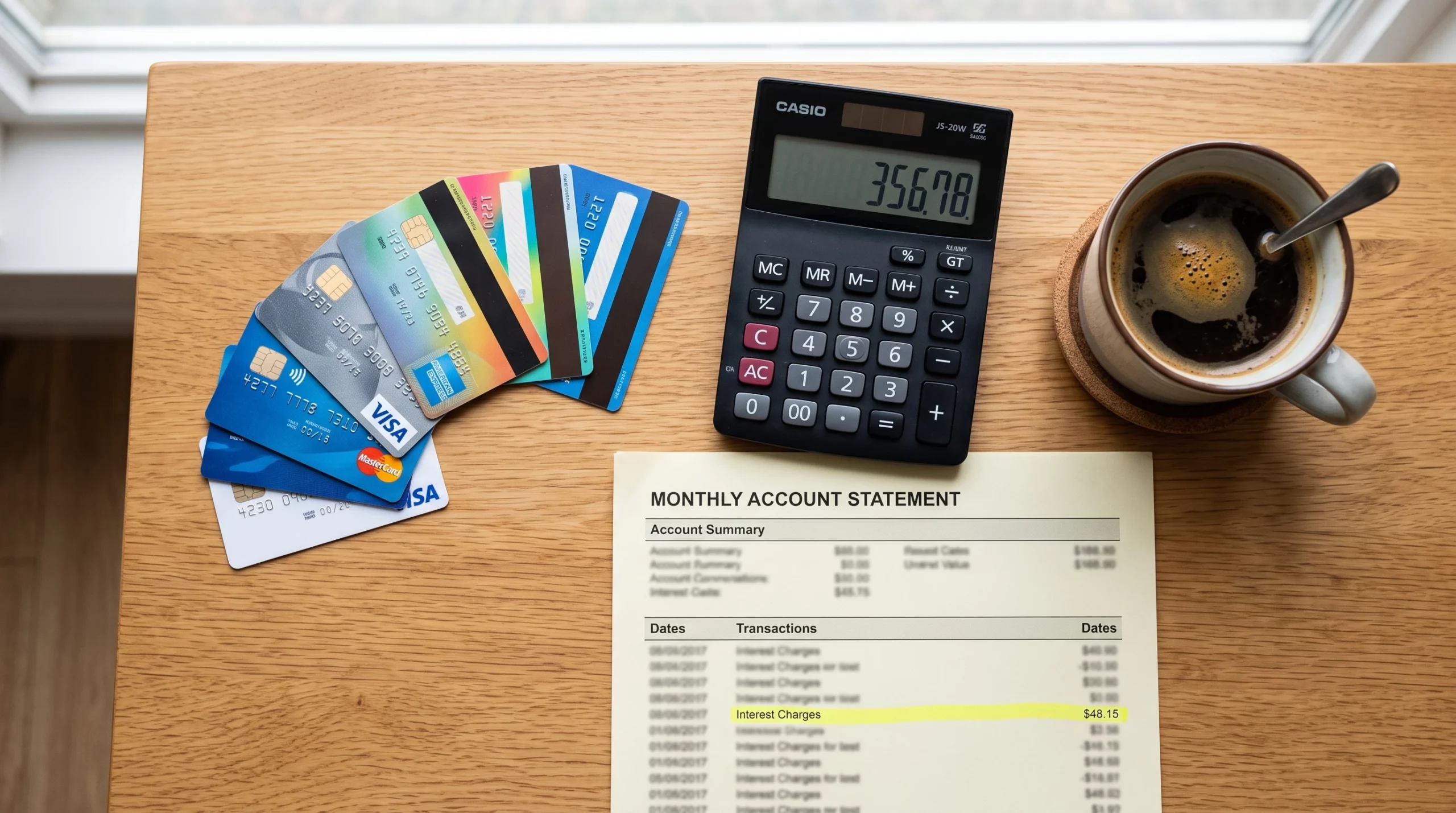
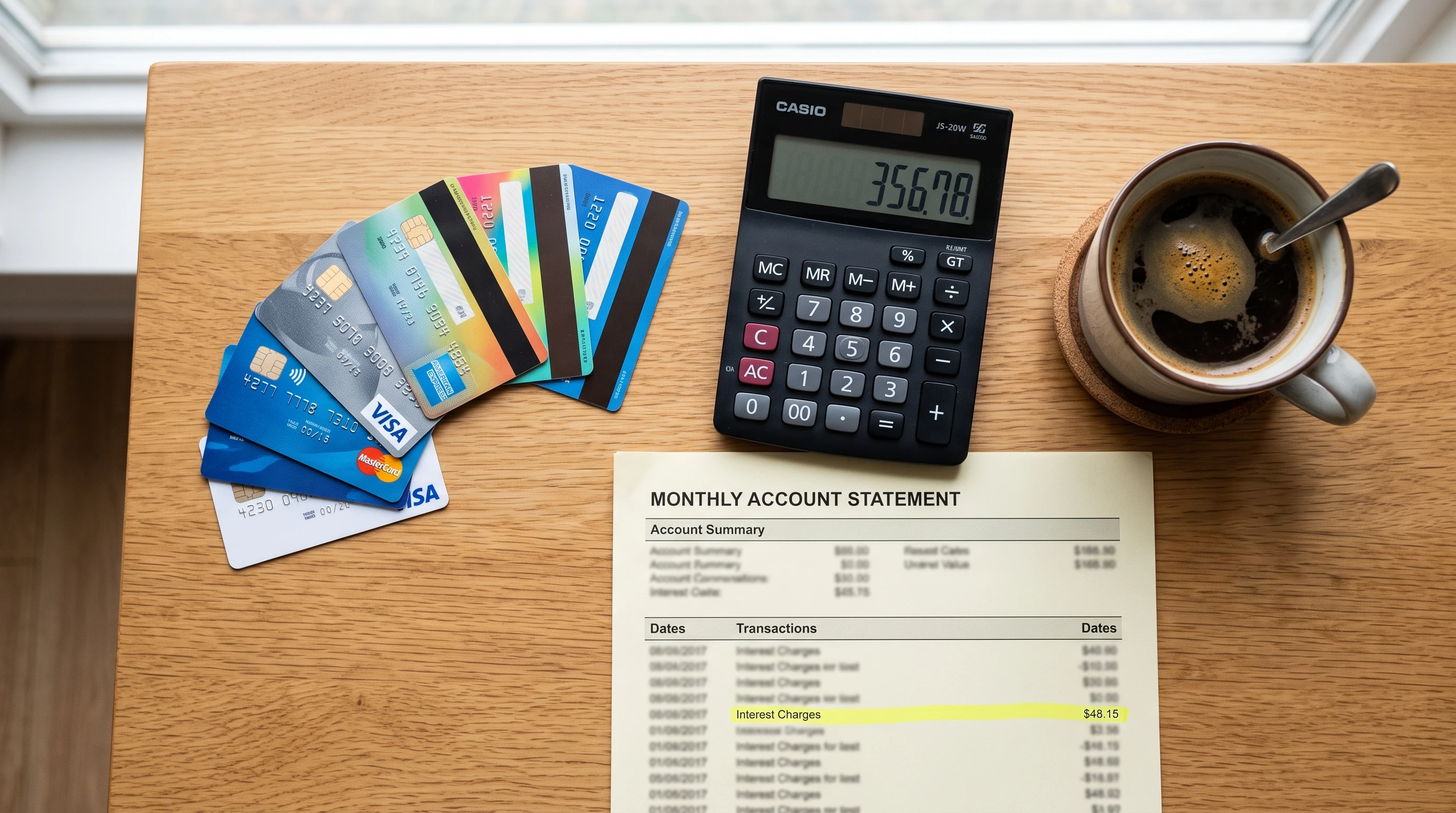
Credit card interest is the cost you pay for borrowing money if you don’t pay your statement balance in full. Credit card companies express this cost as an annual percentage rate (APR). Unlike some loans that charge interest once a month, most credit cards use a daily periodic rate and compound the interest daily. This means your balance can grow even faster if you’re not careful.
I see many people surprised that credit card interest rates are usually much higher than those for mortgages or car loans. Credit card rates often start around 18%, and some can climb above 30%. That’s because credit cards are unsecured, with no asset like a house or car backing the debt. Lenders take on more risk, so they charge more to cover possible losses.
The Main Types of APR You’ll See
- Purchase APR: The standard interest rate for purchases if you don’t pay your full balance by the due date.
- Balance Transfer APR: The interest rate on balances you transfer from another credit card, which may be different from your purchase rate.
- Cash Advance APR: Charged on cash withdrawals using your card, usually higher than other rates and starts accruing interest immediately.
- Penalty APR: A much higher rate that can kick in if you miss payments.
- Promotional APR: A temporary lower rate, often 0%, offered on purchases or transfers for a set time.
How Credit Card Interest Actually Gets Calculated
Credit card issuers usually calculate interest using something called the “Average Daily Balance” (ADB) method. Here’s how it works:
- Your card company adds up your balance at the end of each day in the billing cycle.
- They divide that total by the number of days in the cycle to get your average daily balance.
- They take your APR, divide it by 365 to get the daily periodic rate, then multiply your average daily balance by that rate each day, compounding as it goes.
For instance, a 20% APR turns into a daily rate of about 0.055%. If you run a balance of $2,000, you’ll get charged around $1.10 in interest on the first day, but on the second day, you end up paying interest on both your balance and yesterday’s added interest. This daily compounding is why small balances can grow surprisingly fast if not repaid.
Simple Interest vs. Compound Interest: Why It Matters
Simple interest is only charged on your original principal (the starting amount you borrow). With compound interest, you pay interest on both your original balance and any previous interest that’s been tacked on. If you’re investing, compounding works in your favor. When you’re borrowing, though, it works against you. Even if your card’s APR doesn’t seem high at first, daily compounding on unpaid balances can make you owe a lot more than expected.
The Grace Period: How to Avoid Paying Purchase Interest
Most credit cards have a grace period, which is the time between the end of your billing cycle and the payment due date—typically 21 to 25 days. If you pay off your entire statement balance by the due date, you won’t pay interest on your purchases for that cycle. But if you carry a balance, you lose the grace period and interest starts piling up right away on new purchases. This makes it challenging to catch up.
Major APR Types Explained in Everyday Terms
- Purchase APR: Applies to most regular card purchases. Paying your full balance every month keeps you from getting charged this.
- Balance Transfer APR: Used when you move debt from one card to another. These often have their own promotional deals, but may rise sharply later.
- Cash Advance APR: Starts charging interest immediately. Cash advances also often have a one-time transaction fee and no grace period. They are one of the priciest ways to borrow. By the way, I never was foolish enought to take out a cash advance, even when I was in the worst of my credit card debt. It would have been adding fuel to the fire.
- Penalty APR: Shows up after late or missed payments. This spiked rate can stick around for months and cost you much more.
Knowing your card’s different APRs and fee schedules helps you avoid unpleasant surprises and lets you use credit cards on purpose, not just out of habit.
Fixed APR vs. Variable APR: What’s the Difference?
Some cards have a fixed APR, which usually doesn’t change unless you miss payments or the issuer warns you ahead of time. Variable APRs, on the other hand, change based on the Prime Rate, which is influenced by the Federal Reserve’s decisions. If the Fed raises rates, card companies often raise the APR on variablerate cards; your interest costs could climb even if your balance stays the same.
How Introductory 0% APR Offers Work
Many credit cards offer an introductory 0% APR for a set period (like 12 to 18 months) on purchases or balance transfers. This can be a temporary, interest-free way to pay down or move debt, but there are a few things to watch out for:
- When the promo period ends, the APR goes back up to the standard rate.
- Some cards charge a 3%–5% balance transfer fee upfront.
- If you miss a payment, you might lose the intro rate altogether.
It’s vital to plan to pay off transferred balances before the intro offer expires if you want to make these offers work for you.
Cash Advances: Why These Are So Expensive
Using your credit card to get cash from an ATM has serious downsides:
- Interest applies instantly—no grace period.
- Higher APRs, often 25% or more.
- Additional cash advance fees charged up front.
If you can, try not to use your card for cash advances. The costs can pile up quickly, making them far costlier than regular purchase balances.
Minimum Payments and How They Can Trap You
Paying just the minimum keeps your account in good standing, but it’s not a great long-term strategy. Minimum payments cover only a small part of your balance and mostly go toward interest first. Carrying a $2,000 balance at 20% APR and making only minimum payments could take over 10 years to pay off—you might pay as much in interest as you originally charged (if not more).
How Credit Card Companies Make Money
- Interest from carryover balances
- Interchange fees (charged to merchants whenever you swipe your card)
- Annual fees
- Late payment fees
- Balance transfer fees
- Cash advance fees
- Foreign transaction fees
Many people think card issuers only make money from borrowers. In reality, even users who pay in full help card companies earn revenue through transaction fees and other charges.
What Determines Your APR?
- Your credit score (higher scores usually mean lower APRs)
- Payment history and any past delinquencies
- How much of your credit line you use
- Your income and total debts
- Current market interest rates
Improving your credit by making on-time payments and keeping your balances low helps you qualify for cards with better rates.
How Credit Utilization Affects Your Costs and Credit Score
Credit utilization is the percentage of your credit limit that you use. If you have a combined $5,000 limit and carry a $2,500 balance, your utilization is 50%. High utilization makes you look riskier to lenders and can cause your credit score to drop. It also increases the total cost if you’re charged interest on high balances over time.
Practical Ways to Minimize Credit Card Interest
- Pay your statement balance in full each month. This keeps your grace period and prevents you from owing interest on new purchases.
- Make extra payments in the middle of the billing cycle if possible, which reduces daily balances and cuts the total interest accrued.
- Avoid cash advances. Use your debit card or emergency savings if you can.
- If you’re struggling, call your credit card company and ask for a lower APR. Card issuers may offer one if you have a good payment history.
- Move balances to a 0% intro offer only if you’re committed to paying them off before the promo ends. Always read the fine print.
- Work on your credit score over time so you can qualify for better cards and lower rates.
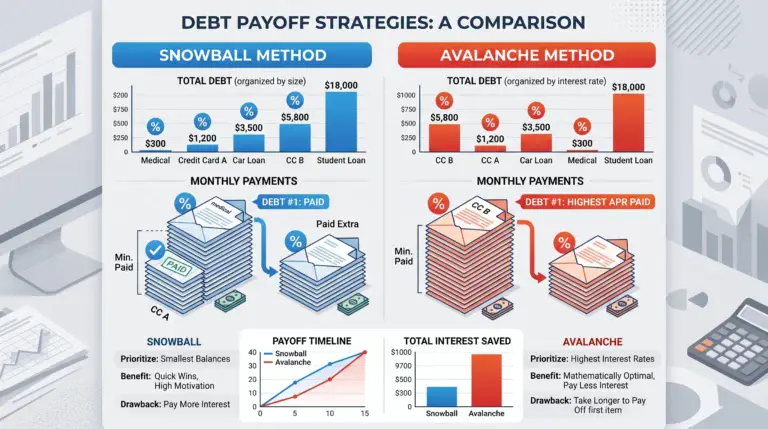
Debt Avalanche vs. Debt Snowball: Picking a Repayment Strategy
The two most popular methods people use to pay off multiple debts are:
- Debt Avalanche: Pay off balances with the highest interest rates first. This approach saves you more money on interest over time.
- Debt Snowball: Pay off the smallest balances first to build some quick wins and motivation. While it might cost more overall, it can keep you engaged.
Following the Avalanche method trims interest charges most efficiently, but what matters most is sticking to whatever plan works for you. I have an article that goes more in depth with the Avalanche v. Snowball method that you can read here.
Common Myths and Behavioral Traps
- Myth: Carrying a balance gives your credit score a boost. Actually, using your card occasionally and paying on time is enough; no need to pay extra in interest.
- Lifestyle inflation: Spending more as your income grows, which can push your balances up.
- Instant gratification: Making impulse purchases rather than waiting until you can afford them.
Recognizing these patterns helps you stay clear of unnecessary debt and keep your goals in sight.
Warning Signs of Credit Card Debt Trouble
- Routinely carrying high balances or maxing out your credit limits
- Missing payments or only paying the minimum
- Using cash advances for everyday expenses
- Juggling payments between multiple credit cards
If you notice these red flags, it’s wise to check your budget and find trustworthy advice. If you have built up an emergency fund, I would spend some of that money to consult a fee-based financial planner.
Key Takeaways
- Credit card interest grows through daily compounding unless you pay your statement balance in full every month.
- Avoid interest by understanding your card’s grace period and always paying off new purchases before the due date.
- Cash advances usually pile up the highest costs and should be a last resort.
- Low credit utilization gets you lower APRs and boosts your credit score.
- Minimize interest costs by using the Debt Avalanche method, refusing to rely on minimum payments long-term, and shopping for cards that match your lifestyle and habits.
- You don’t need to carry a balance to build credit—smart use always beats paying unnecessary interest.
For more on building strong personal finance habits, check out my complete guide to debt paydown strategies, where I go into more practical details.
Have your own questions or tips about handling credit card interest? Share your experiences in the comments—I’d love to know what’s worked for you!